

7314 N. Western Avenue
Oklahoma City, OK 73116

Allergies or Dry Eye? What’s Really Causing Your Symptoms?
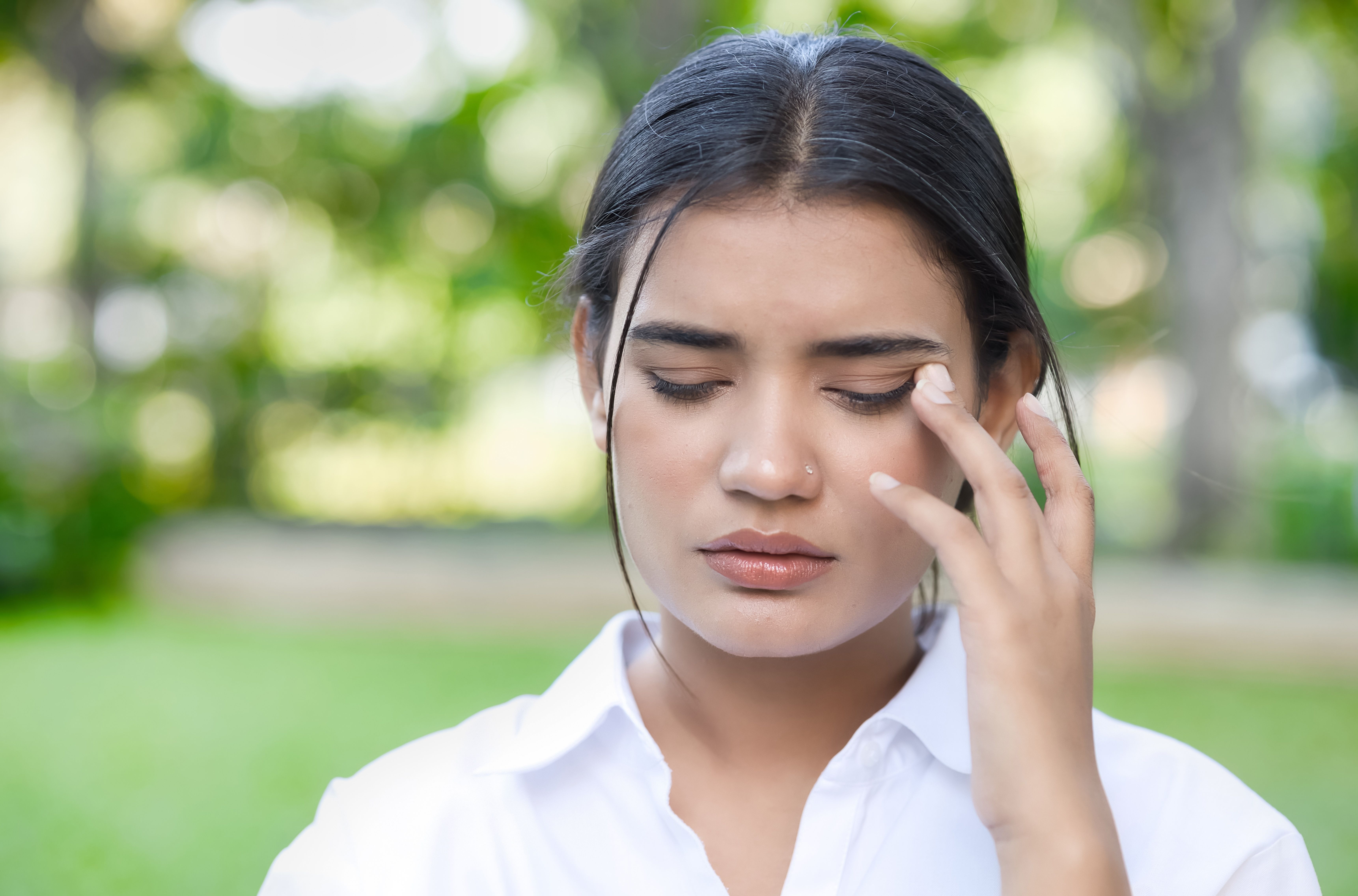
At Eyecare Boulevard, we often see patients who are treating their symptoms for allergies when they’re actually experiencing dry eye - or vice versa. While these two conditions can feel similar, the causes and treatments are very different. Understanding what’s really behind your symptoms is the first step toward lasting relief.
Understanding Eye Allergies
Eye allergies, also known as allergic conjunctivitis, occur when your eyes react to allergens such as pollen, dust mites, pet dander, or mold. When exposed to these triggers, your immune system releases histamines, leading to inflammation and irritation.
Common symptoms of eye allergies include intense itching, redness, watery discharge, swollen eyelids, and a burning sensation. Symptoms often affect both eyes and may coincide with sneezing, nasal congestion, or a runny nose.
Allergy symptoms can be seasonal or year-round, depending on the trigger. For example, pollen allergies are often worse in spring and fall, while dust or pet allergies may persist throughout the year.
Understanding Dry Eye
Dry eye occurs when your eyes do not produce enough tears or when the quality of your tears is poor. Healthy tears are essential for keeping your eyes lubricated, comfortable, and clear. When this delicate balance is disrupted, irritation follows.
Dry eye symptoms may include burning or stinging, a gritty or sandy feeling, fluctuating or blurry vision, light sensitivity, eye fatigue, and even excessive tearing. That last symptom may seem surprising, but reflex tearing can happen when your eyes attempt to compensate for dryness.
Unlike allergies, dry eye is not caused by an immune reaction. It is often linked to aging, prolonged screen time, certain medications, contact lens wear, hormonal changes, or underlying health conditions.
Why Self-Diagnosis Can Delay Relief
Many over-the-counter eye drops are marketed for “redness relief,” but they may not treat the underlying cause of your symptoms. Allergy drops may not help dry eye, and some redness-relieving drops can even make dryness worse over time.
Using the wrong treatment can prolong irritation and mask the real issue. That’s why a comprehensive eye exam is so important. A thorough evaluation allows your eye doctor to assess your tear film, check for inflammation, and identify environmental or lifestyle factors contributing to your symptoms.
Finding the Right Treatment
Treatment depends entirely on the cause of your discomfort. For allergies, avoiding triggers when possible, using antihistamine or mast cell stabilizer drops, and managing environmental exposure can provide relief.
For dry eye, treatment may include preservative-free artificial tears, lifestyle adjustments such as taking screen breaks, improving hydration, prescription medications, or in-office therapies designed to improve tear quality.
When properly diagnosed, both conditions are highly manageable. The key is understanding which one you’re dealing with.
Take the First Step Toward Comfortable Vision
Red, irritated, and watery eyes are not always caused by allergies - and they’re not always just dry eye either. Because the symptoms can overlap, it’s easy to misidentify the problem and use treatments that don’t work. A professional evaluation can pinpoint the true cause and help you find lasting relief.
Don’t let ongoing eye irritation disrupt your comfort, focus, or daily routine. Schedule a comprehensive eye exam at Eyecare Boulevard and find out what’s really causing your symptoms. Visit our office in Oklahoma City, Oklahoma, or call (405) 437-0763 to book an appointment today.
MAP

Office hours
- Monday 10:00am - 4:00pm
- Tuesday 8:30am - 4:30pm
- Wednesday 8:30am - 4:30pm
- Thursday 8:30am - 4:30pm
- Friday 8:30am - 4:30pm
- Saturday By Appointment
- Sunday Closed
Powered by
